
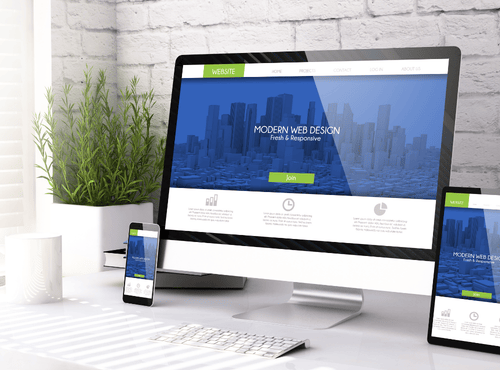
Launching a website in 2026 is no longer just about putting pages online and hoping people find them. In the Philippines, competition is growing fast across almost every industry. Customers are more digital, expectations are higher, and search engines are far less forgiving of poorly built sites.
A successful website launch today requires planning, structure, testing, and clear goals. Businesses that skip steps often end up rebuilding months later after realising the site is slow, invisible in search, or not converting visitors into enquiries or sales.
This checklist is designed to help Philippine businesses launch websites the right way in 2026. Whether you are building a company website, service site, or ecommerce store, these steps will help you avoid common mistakes and start strong. Agencies like Philippines Websites follow this type of structured approach to ensure websites are not just live, but ready to perform.
1. Define the Purpose of the Website Clearly
 Before any design or development begins, the purpose of the website must be clear.
Ask these questions:
- Is the site designed to generate enquiries
- Is it selling products online
- Is it building credibility for a brand
- Is it supporting offline sales or services
A website without a clear goal usually tries to do everything and ends up doing nothing well. Every page, feature, and call to action should support the main objective.
2. Identify Your Target Audience
A successful website is built for users, not just for the business owner.
Before launch, define:
- Who the ideal customer is
- What problems they are trying to solve
- How they usually search online
- What devices they use most often
In the Philippines, mobile usage dominates. If the site is not designed around real user behaviour, engagement and conversions will suffer.
3. Choose the Right Platform for Growth
Platform choice matters more in 2026 than ever before.
Your website platform should be:
- Flexible
- Scalable
- Easy to update
- Secure
- SEO friendly
Many Philippine businesses choose platforms that limit growth because they focus only on launch speed or cost. The right platform supports future content, marketing, and functionality without constant rebuilding.
4. Plan the Site Structure Before Design
Site structure is the foundation of usability and SEO.
Before designing pages, map out:
- Main navigation
- Core service or product pages
- Supporting content such as FAQs or guides
- Contact and conversion points
Clear structure helps users find information quickly and helps search engines understand what the site is about.
5. Design for Mobile First Behaviour
Mobile first is not optional in the Philippines.
Before launch, ensure:
- All pages are easy to use on phones
- Buttons are large and easy to tap
- Forms are short and simple
- Navigation works smoothly with one hand
Mobile visitors are often impatient. If the site feels slow or awkward, they leave and rarely return.
6. Optimise Website Speed
Speed is a launch critical factor.
Before going live, test:
- Page load times on mobile and desktop
- Image sizes and compression
- Hosting performance
- Third party scripts
Slow websites lose visitors, rankings, and trust. In 2026, speed is directly tied to conversion and credibility.
7. Create Clear and Helpful Content
Content should be written for real people, not just search engines.
Before launch, confirm:
- All pages explain services clearly
- Language is simple and direct
- Benefits are clear, not vague
- Next steps are obvious
Philippine audiences respond well to clarity and transparency. Overly technical or generic content reduces engagement.
8. Set Up Basic SEO Correctly
SEO should be in place before launch, not added later.
Checklist items include:
- Page titles and meta descriptions
- Proper heading structure
- Clean URLs
- Image alt text
- Internal linking
Launching without SEO foundations often delays visibility for months.
9. Prepare Conversion Paths
A website should guide visitors toward action.
Before launch, check:
- Contact forms work correctly
- Phone numbers are clickable
- Buttons lead to the right pages
- Thank you pages or confirmations are in place
If users do not know what to do next, they do nothing.
10. Add Trust Signals Early
Trust is essential, especially for newer websites.
Before launch, include:
- Clear business information
- About page with real details
- Testimonials or early reviews if available
- Security indicators such as SSL
- Transparent policies
Websites that feel anonymous or vague struggle to convert.
11. Test All Forms and Functions
Every interactive element must be tested.
This includes:
- Contact forms
- Booking systems
- Checkout processes
- Email notifications
- Error messages
Many websites launch with broken forms and never realise enquiries are being lost.
12. Set Up Analytics and Tracking
You cannot improve what you do not measure.
Before launch, ensure:
- Analytics tracking is installed
- Conversion goals are set
- Contact actions are tracked
- Basic reports are accessible
Data allows better decisions from day one rather than guessing months later.
13. Connect Google Business and Maps if Relevant
For local businesses, visibility goes beyond the website.
Before launch:
- Link the website to Google Business Profile
- Ensure business details match everywhere
- Check map visibility
This helps local customers find and trust the business faster.
14. Review Accessibility Basics
Accessibility improves usability for everyone.
Before launch, check:
- Text contrast and readability
- Logical heading order
- Keyboard navigation where possible
- Clear labels for forms
Accessible websites often perform better because they are easier to use.
15. Check Security and Updates
Security is a trust requirement in 2026.
Before launch:
- Ensure SSL is active
- Update all plugins or themes
- Remove unused components
- Use strong login credentials
A secure site protects both the business and customers.
16. Test on Multiple Devices and Browsers
Never assume the site works everywhere.
Before launch, test:
- Different phones and tablets
- Multiple browsers
- Different screen sizes
- Slower internet connections
Real world testing prevents costly issues after launch.
17. Prepare a Post Launch Plan
A successful launch is the beginning, not the end.
Plan for:
- Content updates
- Performance monitoring
- SEO improvements
- Marketing activity
Websites that are ignored after launch quickly lose momentum.
18. Avoid the Biggest Launch Mistake
The most common mistake is rushing.
A rushed website often:
- Misses key setup steps
- Launches with errors
- Fails to convert
- Requires rework
Taking extra time before launch saves far more time later.
Why This Checklist Matters in 2026
In the Philippine market, customers compare quickly and decide fast. This shift is driven by the rapid expansion of online business activity across the country. According to data published through the Department of Trade and Industry’s e-Commerce Philippines initiative, online retail business registrations increased from around 1,700 in early 2020 to more than 68,000 within the same year, highlighting how quickly businesses moved online and how crowded the digital space has become.
Websites that follow a structured launch checklist:
- Perform better in search
- Convert more visitors
- Build trust faster
- Support long term growth
Launching properly is not about perfection. It is about readiness.
Frequently Asked Questions
How long does it take to launch a website properly
Most quality website launches take several weeks, depending on size and complexity.
Is it better to launch fast or launch properly
Launching properly leads to better results and fewer problems long term.
Do small businesses need all these steps
Yes. Many steps are even more important for small businesses competing online.
Can an existing website be relaunched using this checklist
Yes. This checklist works well for redesigns and relaunches too.
Is SEO really needed before launch
Yes. SEO foundations should be built in from the start.
Who should manage the website after launch
Ideally, someone responsible for updates, monitoring, and improvements to keep performance strong.
Final Thoughts
Launching a successful website in the Philippines in 2026 is not about rushing to go live. It is about preparation, structure, and making informed decisions from the start. As competition increases and customer expectations continue to rise, websites that are fast, secure, easy to use, and built with clear goals consistently perform better. Following a structured launch checklist helps businesses avoid costly mistakes, improve visibility, and create a stronger foundation for long term growth.
At Philippines Websites, we work with businesses to plan, build, and launch websites that are ready to perform from day one. Our focus is on creating reliable, scalable platforms that support real business outcomes, not just a launch date. By investing in the right foundations early, businesses are better positioned to adapt, grow, and succeed well beyond 2026.