
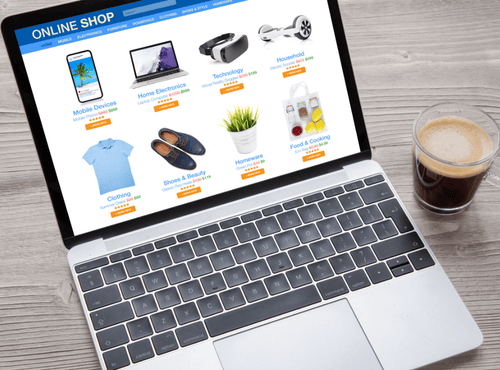
E commerce in the Philippines has moved from being an alternative sales channel to becoming a core part of how businesses operate. What started as a convenience during lockdown years has now evolved into a permanent shift in buying behaviour: the Philippines’ e-commerce market was estimated at around US $17 billion in 2021 and projected to grow to about US $24 billion by 2025, expanding at roughly 17 % annually, signalling strong, continued growth as consumer demand climbsBy 2026, online shopping is no longer limited to large platforms or national brands. Local businesses, service providers, and niche retailers are all competing for digital attention.
For businesses planning to sell online or scale existing stores, the question is no longer whether e commerce matters. The real question is whether their website is built to meet modern customer expectations. Companies working with agencies like Philippines Websites are already preparing for this shift by focusing on performance, usability, and long term scalability.
This article explores the future of e commerce in the Philippines and explains what websites will need in 2026 to stay competitive, trustworthy, and profitable.
E Commerce in the Philippines Is Becoming Everyday Commerce
Online shopping in the Philippines is no longer limited to big sale events or urban customers. In 2026, e commerce is part of daily life across cities and regional areas.
Several factors are driving this:
- Widespread smartphone use
- Faster mobile internet
- Growing trust in online payments
- Improved delivery and logistics
- Younger digital native consumers
Customers are now comfortable buying everything from groceries and clothing to services and subscriptions online. This means businesses without a strong e commerce website are missing everyday opportunities, not just seasonal spikes.
Mobile First Is No Longer Enough
Most e commerce websites in the Philippines already claim to be mobile friendly. In 2026, that is not enough.
Mobile first has evolved into mobile optimised for behaviour. This means websites must be designed around how people actually shop on their phones, not just how pages resize.
Successful e commerce websites focus on:
- One handed navigation
- Fast product discovery
- Minimal typing during checkout
- Clear tap targets for buttons
- Easy access to support or chat
If a mobile shopper feels friction at any stage, they leave. In a competitive market, they rarely return.
Speed Is a Major Revenue Factor
Website speed has always mattered, but in 2026 it directly affects revenue.
Filipino online shoppers are often browsing on mobile data or shared connections. Slow loading pages, heavy images, or poorly optimised scripts lead to abandonment.
Future ready e commerce websites prioritise:
- Lightweight design
- Optimised product images
- Fast hosting
- Clean code structure
- Reduced third party scripts
Speed is not just a technical metric. It shapes trust. Fast websites feel more professional and reliable, which directly influences purchase decisions.
Trust Signals Are Non Negotiable
Trust remains one of the biggest barriers to online purchases in the Philippines, especially for independent or newer brands.
In 2026, customers expect clear reassurance before entering payment details.
Strong trust signals include:
- Clear business information
- Visible contact details
- Secure checkout indicators
- Transparent pricing
- Clear delivery and return policies
- Real customer reviews
Websites that hide information or feel vague lose sales, even if the product itself is good.
Local Payment Options Matter
E commerce websites in the Philippines cannot rely on credit cards alone.
By 2026, customers expect multiple local payment options, including:
- Digital wallets
- Bank transfers
- Cash on delivery where appropriate
- Buy now pay later services
Websites that force users into unfamiliar payment methods create unnecessary friction. Flexible payment options increase conversion rates and reduce checkout abandonment.
Checkout Must Be Simple and Predictable
The checkout process is where many sales are lost.
In 2026, successful e commerce websites keep checkout simple, short, and transparent.
Best practices include:
- Guest checkout options
- Clear progress indicators
- Minimal required fields
- No surprise fees
- Clear order summary before payment
Customers want to know exactly what they are paying and what happens next. Confusion at checkout is one of the fastest ways to lose trust.
Personalisation Without Being Invasive
Personalised shopping experiences are becoming more common, but they must be handled carefully.
In the future of Philippine e commerce, effective personalisation includes:
- Product recommendations based on browsing behaviour
- Location relevant messaging
- Recently viewed product reminders
What does not work is aggressive tracking or intrusive pop ups. Personalisation should feel helpful, not uncomfortable.
Content Is Becoming a Sales Tool
In 2026, e commerce websites are not just product listings. They are content platforms.
Customers want to understand:
- How a product works
- Who it is for
- How it compares to alternatives
- What others think about it
This means strong e commerce websites include:
- Detailed product descriptions
- Clear images and videos
- Frequently asked questions
- Usage guides or tips
Content reduces uncertainty. Less uncertainty leads to more completed purchases.
Customer Support Expectations Are Higher
Online shoppers expect support even outside traditional business hours.
Future ready e commerce websites offer:
- Live chat or chatbots
- Easy access to help pages
- Clear post purchase communication
- Order tracking updates
Support is no longer just about problem solving. It is part of the buying experience.
E Commerce SEO Is Becoming More Competitive
As more Philippine businesses move online, competition for search visibility increases.
In 2026, e commerce SEO requires:
- Clear site structure
- Fast loading pages
- Optimised product and category content
- Mobile friendly design
- Strong internal linking
Websites built without SEO in mind struggle to attract organic traffic, forcing heavier reliance on paid ads.
Data Driven Decisions Are Essential
The future of e commerce is data driven.
Successful businesses track:
- Product performance
- Conversion rates
- Drop off points
- Customer behaviour
- Traffic sources
This data informs decisions about pricing, layout, marketing, and product offerings. Websites that cannot measure performance clearly fall behind competitors who can adapt quickly.
Scalability Matters More Than Launch Speed
Many businesses rush to launch an online store without thinking about growth.
In 2026, scalability is critical. E commerce websites must be able to:
- Add new products easily
- Handle traffic spikes
- Integrate with marketing tools
- Support future features
Building on a flexible platform from the start saves time and cost later.
Security and Privacy Are Expected Standards
Customers are more aware of data privacy and security.
Websites that do not demonstrate secure practices risk losing trust instantly.
Future ready e commerce websites prioritise:
- Secure hosting
- SSL certificates
- Regular updates
- Clear privacy policies
Security is not a feature. It is an expectation.
Why Website Quality Matters More Than Platform Choice
While marketplaces and social commerce continue to grow, owned websites remain essential.
A business website:
- Builds brand control
- Creates long term value
- Reduces reliance on third party platforms
- Supports customer loyalty
In 2026, successful Philippine e commerce businesses use marketplaces to supplement sales, not replace their own website.
The Future Belongs to Well Built Websites
The future of e commerce in the Philippines belongs to well built websites that focus on meeting real customer expectations rather than chasing short term trends or gimmicks. In 2026, successful e commerce websites are fast, mobile optimised, trustworthy, easy to use, scalable, and guided by data driven decision making. These qualities directly shape how customers interact with a brand and influence whether a visit turns into a sale.
At Philippines Websites, we help businesses build e commerce platforms that are designed for performance, usability, and long term scalability. We focus on creating websites that convert, adapt to change, and support sustainable growth well beyond 2026.
Frequently Asked Questions
Is e commerce still growing in the Philippines
Yes. Online shopping continues to grow across both urban and regional areas as digital adoption increases.
Do small businesses need their own e commerce website
Yes. A website provides control, credibility, and long term value that marketplaces alone cannot offer.
What is the biggest mistake Philippine e commerce sites make
Ignoring mobile performance and checkout simplicity are two of the most common issues.
Are local payment options really that important
Yes. Offering familiar payment methods significantly improves conversion rates.
How long does it take to build a proper e commerce website
Timelines vary, but a well planned site usually takes several weeks to build properly.
Can an existing website be upgraded for 2026 standards
In many cases, yes. Performance, usability, and checkout improvements can often be added without a full rebuild.