
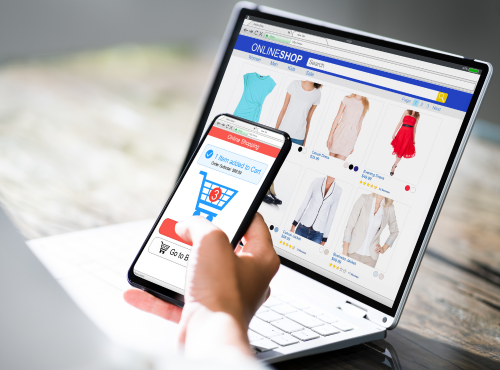
It’s 2025. You’re running a business in the Philippines. You’ve got a solid product and loyal customers. But the digital shift isn’t slowing down. If your online store doesn’t perform, someone else’s will.
Whether you’re just starting or scaling up, developing an e-commerce website in the Philippines isn’t just about going live. It’s about creating an ecosystem that drives sales, builds trust, and keeps customers coming back.
This article breaks down what really works for SMEs in e-commerce today by blending digital expertise, local insight, and search visibility.
Why E-Commerce is Non-Negotiable for SMEs in the Philippines
The Philippine digital economy is booming. As of 2025, more than 80% of Filipino internet users shop online, and the number keeps growing each quarter.
The Philippine digital economy is booming. The digital economy of the Philippines reached ₱2.25 trillion in 2024, accounting for 8.5 percent of the country’s GDP according to the Philippine Statistics Authority. As of 2025, more than 80% of Filipino internet users shop online, and the number keeps growing each quarter.
What does that mean for your business?
Opportunity
People are searching daily for “best local skincare brands,” “where to buy coffee beans online,” or “Filipino-made clothing.” If you’re not there, your competitor is.
Convenience
Today’s buyers expect instant access, mobile-friendly interfaces, and secure checkout. They trust brands with fast, well-designed websites.
1. Build on Solid Ground: Choose the Right Platform
 The platform you choose defines your foundation.
For beginners or small catalogues: Shopify or Shopify Philippines partners. Easy to set up, secure, and scalable.
For content-heavy or SEO-driven brands: WordPress with WooCommerce for flexibility.
For scaling SMEs or complex logistics: Magento or custom PHP solutions.
Your choice should align with your team’s skills, your inventory, and long-term goals.
2. Web Design That Builds Trust
Your e-commerce site is more than a brochure. It’s your 24/7 sales representative.
It only takes 0.05 seconds for users to decide whether they’ll stay on your website. With more than 75% of shopping traffic in the Philippines coming from mobile devices, mobile-first design is essential.
Key features to prioritise:
Clean, clutter-free layout
Fast loading speed under 3 seconds
Clear product images with zoom options
Visible customer reviews
Easy live chat or contact form
Trust badges such as GCash, PayMaya, COD, SSL
If you hire a developer, ensure they understand Philippine user preferences, not just global trends.
3. Master the Art of SEO: Your Silent Sales Force
A beautiful site is useless if no one finds it. Done right, SEO delivers buyers who are ready to purchase. It’s not about ranking for every keyword. It’s about ranking for the right ones that Filipinos actually search.
Your SEO strategy should include:
On-page optimisation: titles, descriptions, and intent-driven content
Local SEO: optimise for “pet supplies Cebu” or “bakery e-commerce Manila”
Content marketing: blogs that answer real questions
Mobile SEO: prioritise mobile-friendly layouts
Page speed and technical SEO: no broken links or messy redirects
Tip: Invest in an SEO audit from a local team who understands the Philippine market.
4. Leverage Social Proof and UGC
What builds trust faster than a five-star review? A real photo from a real customer, a TikTok haul, or an unboxing video.
This is user-generated content and it works. Use it on your website and social media to increase conversions.
Ways to integrate UGC:
Feature Instagram or Facebook photos of customers using your product
Allow photo and video reviews
Create branded hashtags and showcase top posts
Reward customers for sharing content
Word-of-mouth is powerful in the Philippines both offline and online.
5. Understand the Filipino Buyer’s Mindset
Building for the Philippine market means catering to local behaviours.
Cash on delivery remains widely preferred
Chat-based support through Messenger or Viber builds trust
Digital wallets such as GCash, Maya, and BPI transfers are expected
Flexible shipping options appeal to different buyers
From bilingual copy to local promos, cultural context shapes conversions.
6. Use Email and SMS Marketing Wisely
A one-time visitor won’t always return unless you remind them.
Set up automations for:
Cart abandonment reminders within an hour
Welcome series for new subscribers
Flash sales and product launches
Post-purchase reviews and referrals
Don’t overlook SMS. With open rates above 90 percent, it’s a direct line to customers. Keep messages timely, helpful, and personal.
7. Analyse and Adapt: Data is Gold
Every click tells you something. Use analytics tools to listen.
Google Analytics 4 for behaviour and conversions
Hotjar or Microsoft Clarity for heatmaps
Meta Pixel and TikTok Pixel for retargeting
Search Console for SEO monitoring
Track KPIs such as conversion rate, bounce rate, average order value, cart abandonment, and traffic sources.
The goal is not just more traffic but better traffic that converts.
8. Work With Local Experts
Don’t outsource blindly. Choose a team that understands local buyers, payment systems, and logistics.
Look for expertise in:
E-commerce website development for Philippine businesses
SEO services focused on measurable results
Web design that blends local appeal with global standards
Payment and shipping integrations
Key Takeaways for PH E-Commerce
Choose the right platform for your business model
Design for speed, mobile, and trust
Invest in SEO early and consistently
Showcase real users and experiences
Offer local payment and shipping options
Retain customers with email and SMS
Use analytics to guide improvements
Work with local digital experts
Ready to Grow Your E-Commerce Business?
Whether you’re launching your first store or levelling up, success begins with the right foundation.
Need help with web design, SEO, or e-commerce strategy in the Philippines? At Philippines Websites, our team of local experts is ready to bring your vision to life.
Frequently Asked Questions
1. How much does it cost to build an e-commerce site in the Philippines?
Basic Shopify stores can start at ₱30,000 to ₱50,000. Custom builds range from ₱80,000 to ₱200,000 or more.
2. What’s the best SEO strategy for small businesses?
Focus on local SEO, relevant keywords, mobile optimisation, and content that answers buyer questions.
3. Is social media better than a website for selling?
They complement each other. Social media drives awareness, while your website manages checkout and customer data.
4. Can I run an e-commerce store with only 5 to 10 products?
Yes. Niche stores often perform well if the site is optimised and fast-loading.